How to Vet a Vintage Van Dealer Before You Buy

A professionally restored vintage van can represent a significant commercial investment. The dealer you buy from determines not just the vehicle you get, but the title, the paperwork, the mechanical history, and the recourse you have if something goes wrong after delivery. Not all dealers approach this the same way. Here is what to ask before you commit.
The best way to vet a vintage van dealer is to verify the seller’s platform expertise, the vehicle’s provenance and mechanical condition, the scope of its restoration, its import and ownership documentation, its title status, and the support available after the sale. For imported vehicles such as the Citroën HY Van, buyers should also understand what documentation comes with the vehicle and what will be required to title and register it where they intend to operate.
A Growing Market Requires More Due Diligence
Vintage commercial vehicles have become an increasingly visible part of hospitality, mobile retail, and experiential marketing. Hospitality brands, mobile operators, and experiential marketers have all discovered what a well-restored vintage van can do for a business. Where genuine demand goes, suppliers follow and not all of them with the same standards.
Unlike buying a modern commercial vehicle through an established dealer network, the vintage vehicle market has no single restoration standard or industry-wide certification buyers can rely on. That makes careful due diligence especially important. A dealer who looks credible on Instagram may be operating with long lead times, unverified sourcing, mixed vehicle types, and no clear answer on title status.
The five questions below are the ones that separate a reliable partner from an expensive lesson.
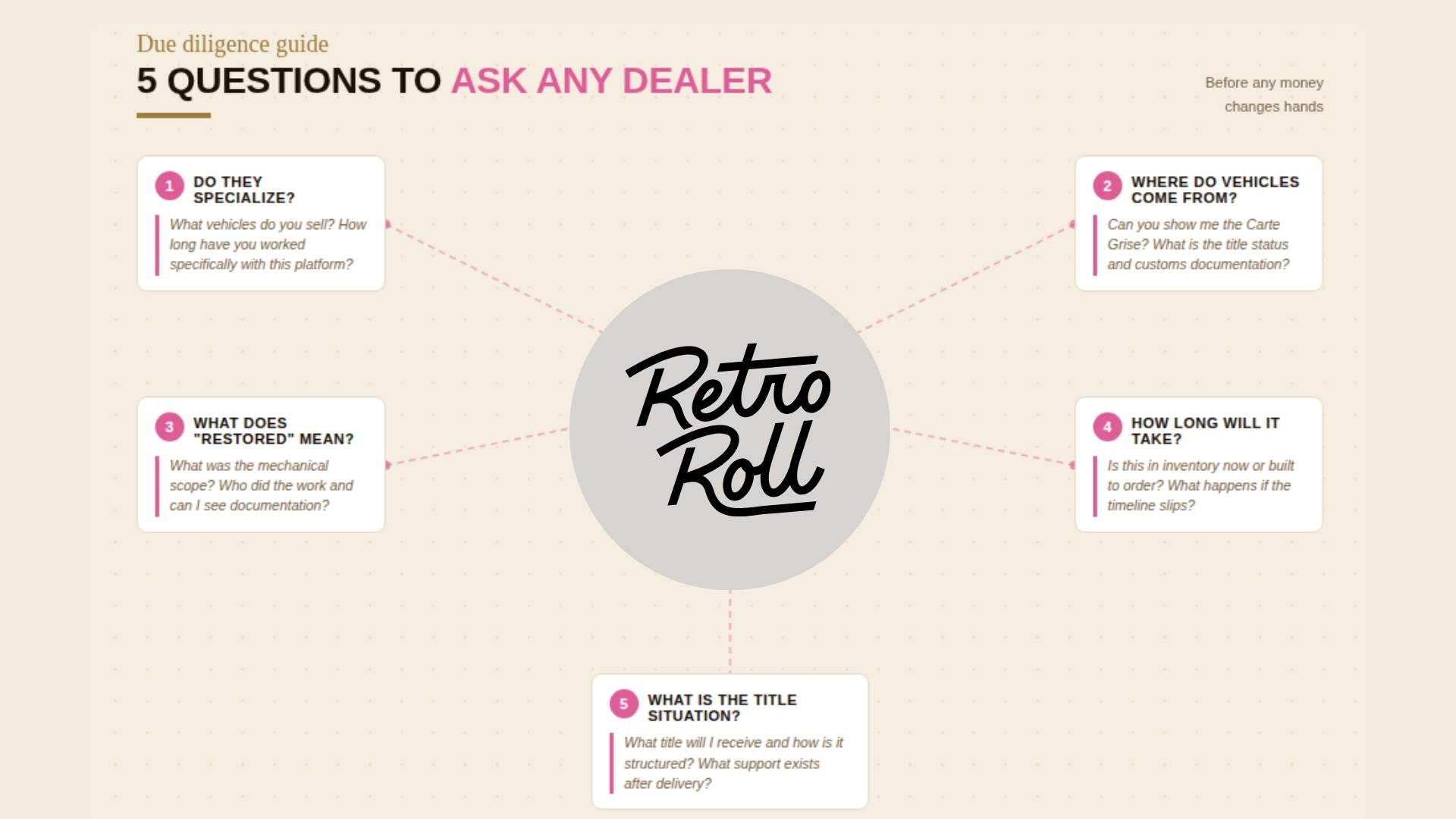
1. Do they specialize, or do they sell everything?
The first question to ask any vintage vehicle dealer is simple: what exactly do you sell?
A dealer who specializes in one vehicle type, one make, one era, one restoration standard, knows that platform deeply. They have established sourcing relationships for it, mechanics who specialize in it, and a track record of solving its specific problems. When a vintage vehicle eventually requires maintenance or mechanical attention, a specialist is more likely to have encountered the issue before.
A dealer who sells a wide range of vehicle types such as vans, trailers, trucks, various makes and eras, is operating a different business. Broader inventory isn’t inherently a problem, but buyers should understand how much platform-specific expertise sits behind the particular vehicle they’re considering.
What to ask:
- What vehicles do you specialize in?
- How long have you been working specifically with this platform?
- Who does your mechanical work and what are their credentials on this make?
2. Where do the vehicles actually come from?
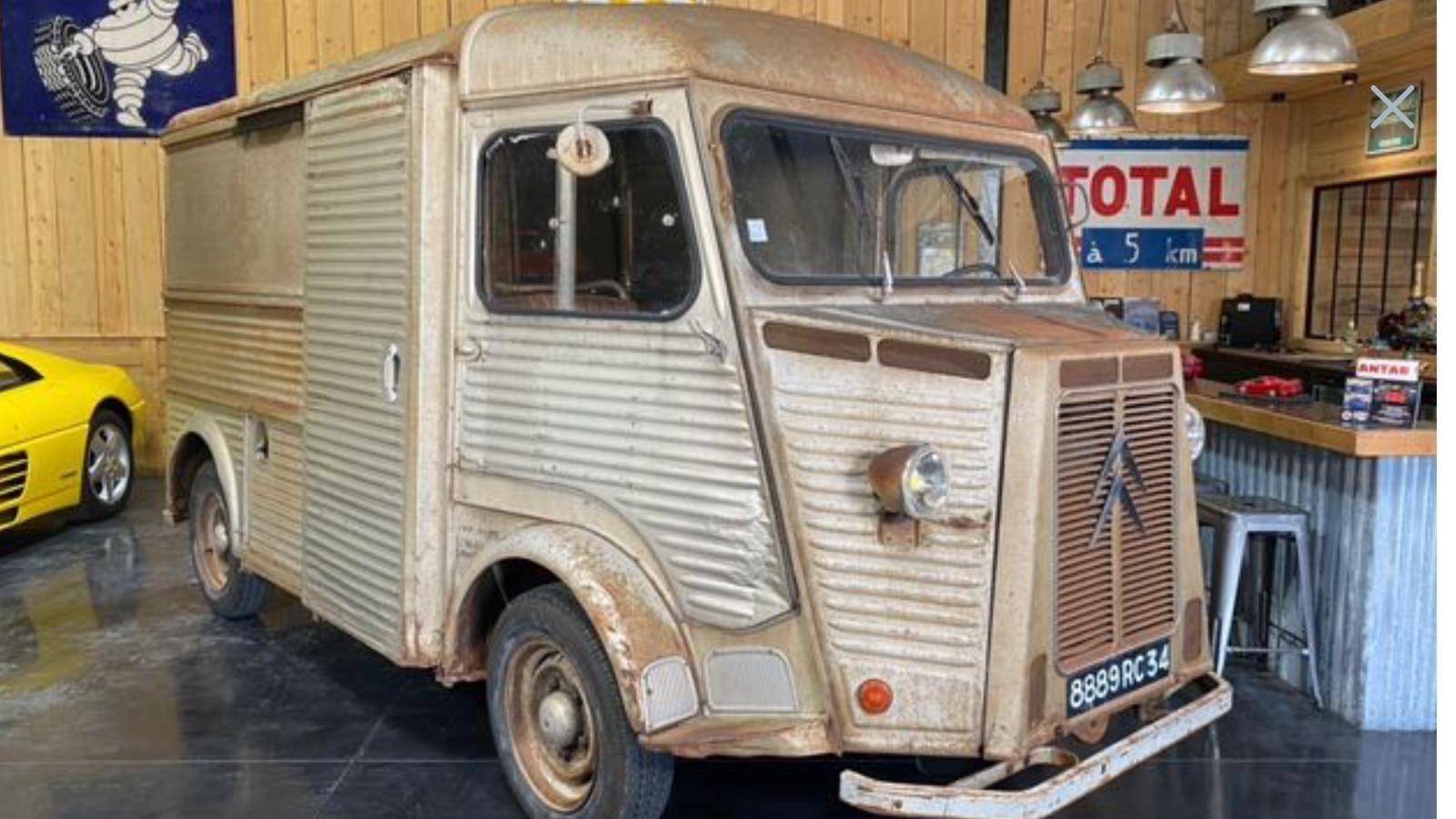
Provenance is the word that gets used a lot in the vintage vehicle world. What it means practically is: can the dealer tell you, in specific terms, where this vehicle came from, who owned it, and how it got to you?
For French vehicles, an important part of that paper trail is the Carte Grise, the French registration document. A dealer who can produce a clean Carte Grise, customs clearance documentation, and a clear chain of ownership is a dealer who did the sourcing work properly. A dealer who is vague about origins, who cannot produce import documentation, or whose vehicles have bonded or unclear titles is a dealer whose sourcing process has gaps.
Sourcing well takes time and relationships. It means having trusted contacts in Europe, evaluating vehicles on the ground before purchase, and passing on examples that do not meet a clear standard.
What to ask:
- Can you show me the Carte Grise or equivalent provenance document?
- What is the title status on this vehicle?
- Who cleared it through US customs and can you provide that documentation?
3. What does "restored" actually mean?
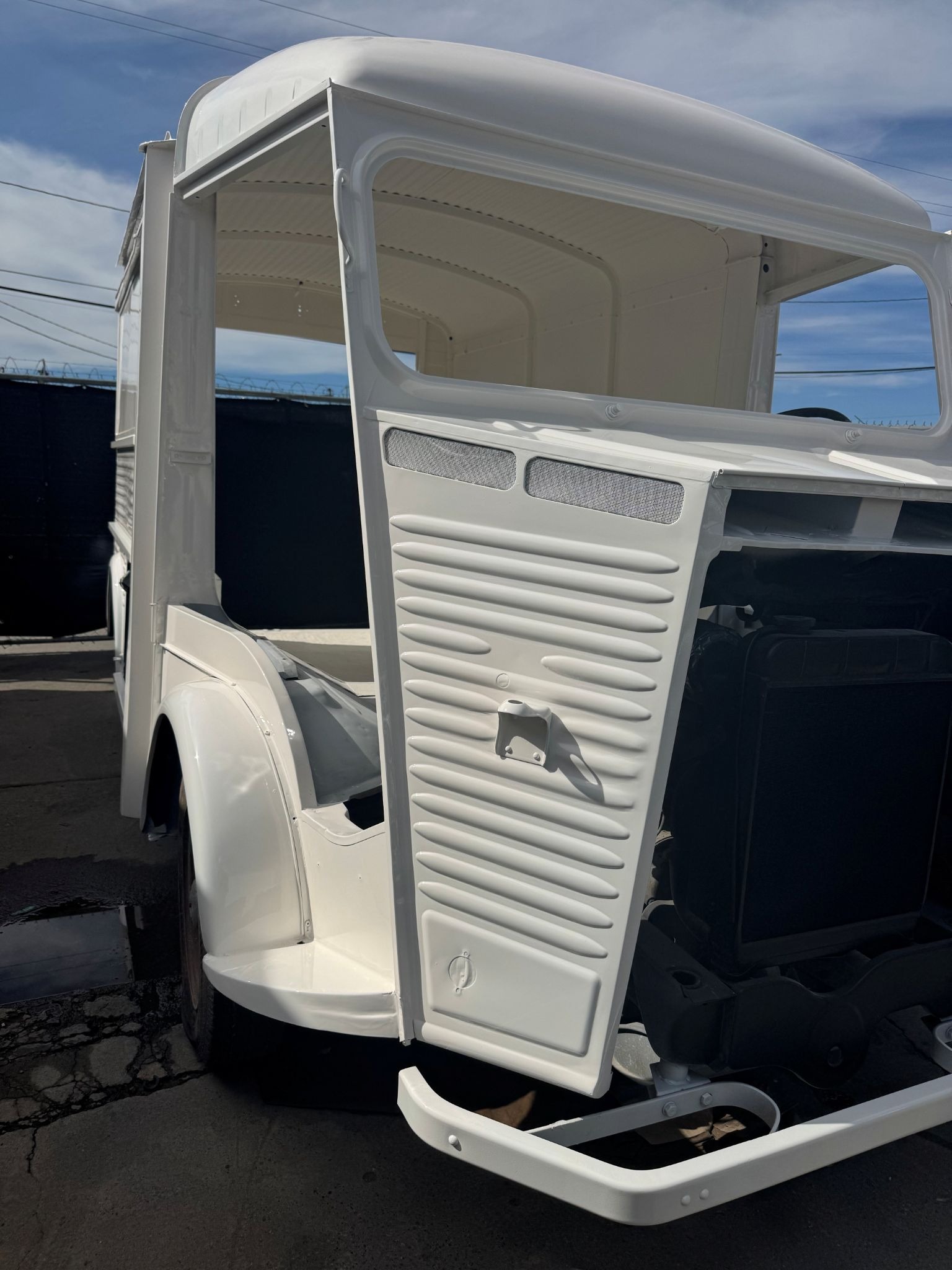
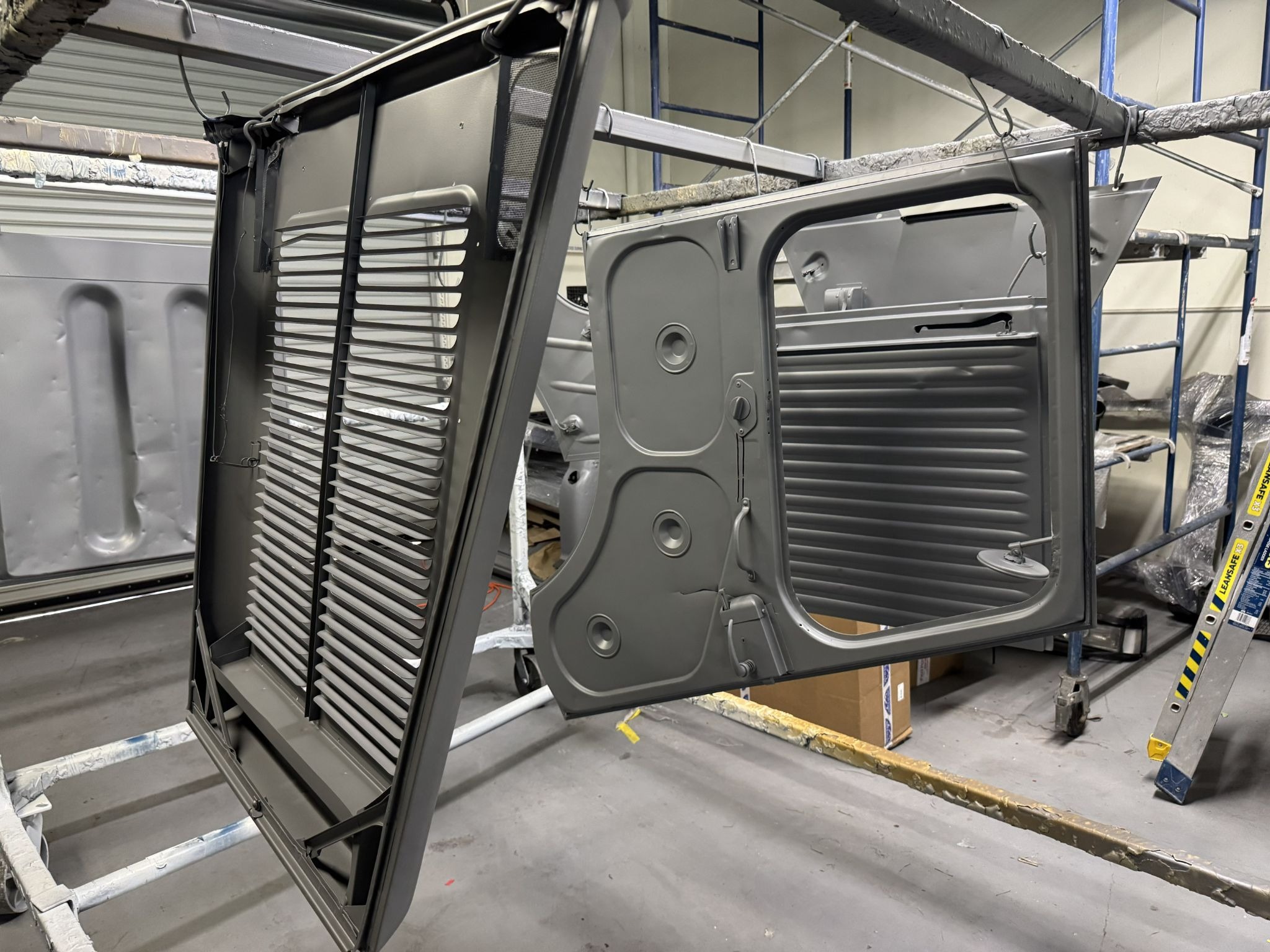
Restored is one of the most overused words in the vintage vehicle market. It can mean a full mechanical rebuild with documented specialist labor. It can also mean a fresh coat of paint on a van with an untouched engine and questionable brakes.
The distinction matters enormously for a commercial operator. A vehicle that looks right but drives rough is a liability, not an asset. The cost of discovering mechanical problems after purchase, with a platform that has few specialists in the US and parts that often need to come from Europe, can be significant.
A credible dealer will be specific about restoration scope. They will tell you what was done to the engine, brakes, fuel system, and electrical. They will have documentation. They will name the mechanic or shop that did the work. Vague claims like "fully restored" or "turnkey ready" without specifics are worth probing hard. Just as importantly, buyers should evaluate a vehicle against its intended use. A van being purchased as a stationary showpiece has very different operational requirements from one expected to support food and beverage service or regular commercial use.
What to ask:
- What was the scope of the mechanical restoration?
- Who performed the work and what are their credentials on this platform?
- Can I see documentation of what was done?
4. How long will it actually take?
Lead times in the vintage vehicle market vary enormously, and they are rarely advertised prominently. A dealer who sources vehicles to order such as customizing, fabricating, and finishing after you have paid a deposit, is operating on a different timeline than a dealer who maintains restored, road-ready inventory.
For a commercial operator, timeline is not a minor detail. If you are planning a seasonal launch, a hospitality opening, or a campaign with a fixed date, a six-month or longer lead time changes your business plan. Custom fabrication timelines are also harder to guarantee than delivery of finished inventory. Scope creep, parts delays, and fabrication backlogs are common.
What to ask:
- What is the realistic delivery timeline from deposit to delivery?
- Is this vehicle in inventory now, or built to order?
- What happens if the timeline slips?
5. What is the title situation, and what happens after delivery?
Title status is the detail that buyers most often discover too late. A vehicle without a clean, transferable US title is difficult to register, difficult to insure for commercial use, and difficult to sell when the time comes.
For imported vintage vehicles, title and registration requirements can vary depending on the vehicle, buyer, intended use, and jurisdiction. What matters is having a clear chain of ownership and understanding exactly what documentation will be delivered with the vehicle and what will be required to title and register it where you intend to operate.
Post-delivery support matters too. A vehicle this specialized will eventually need parts, mechanical attention, or questions answered. A dealer with established specialist relationships and a genuine interest in your long-term success as an operator is a different partner than one whose involvement ends at the point of sale.
What to ask:
- What title will I receive and how is it structured?
- Who handles registration?
- What support is available after delivery if I have mechanical questions or need parts?
What a Trusted Vendor Looks Like
A trusted vendor answers every one of the questions above directly, in writing, without hesitation. They can produce provenance documentation before you ask for it. They are specific about restoration scope and name the people who did the work. They deliver road-ready inventory on a defined timeline. And they handle title and compliance as part of their standard process.

Retro Roll was built to be exactly that vendor for the Citroën HY market in the United States.
We’ve spent years sourcing Citroën HY vans across Europe, from Marseille to London, before bringing our first vehicles to the US market. And along the way we've deepened our expertise in sourcing, purchasing, importing, restoring, registering, insuring, maintaining, repairing, and operating Citroën HY vans in the United States. That hands-on experience shapes how we evaluate every vehicle we offer. We understand the questions buyers need to ask because we’ve worked through those same questions ourselves, from provenance and customs documentation to mechanical condition, restoration, transportation, and ongoing maintenance.
Looking for a Citroën HY?
If you're considering purchasing a Citroën HY in the United States—even if you haven't decided which vehicle is right for you—tell us what you're looking for and how you plan to use it. We can help you understand the options, tradeoffs, and practical realities of Citroën HY ownership.
FAQ
- How do I know if a vintage van dealer is legitimate?
Ask for provenance documentation on any vehicle they are selling -- specifically the original title document (Carte Grise for French vehicles), customs clearance records, and written detail on the mechanical restoration scope. A credible dealer will answer these questions directly and in writing. Vague answers or pressure to move quickly are red flags.
- What is the difference between a restored vintage van and a custom fabrication?
A restored vintage van retains its original body, mechanics, and character, brought back to roadworthy condition by specialists. A custom fabrication typically starts with a base vehicle, which may or may not be well-documented, and rebuilds or modifies it significantly. Restorations preserve value; fabrications vary widely in quality and are harder to assess without inspecting the underlying vehicle.
- Why does title status matter for a commercial vehicle?
A vehicle without clear ownership and title documentation can create complications with registration, insurance, financing, and eventual resale. Title and registration requirements vary by jurisdiction, so buyers should understand what ownership, import, and title documentation comes with the vehicle and confirm the requirements for registration in the state where they intend to operate it.
- How long should it take to receive a vintage van after purchase?
A dealer with finished, road-ready inventory can typically deliver within weeks. A dealer operating on a build-to-order or custom fabrication model may quote six months to a year or more. For commercial operators with a launch date in mind, in-stock inventory is almost always the safer choice.
- What should I look for when buying a Citroën HY?
Start with provenance, body and rust condition, mechanical condition, restoration history, electrical systems, import and ownership documentation, and the vehicle’s suitability for your intended use. Buyers should also consider parts availability, access to knowledgeable service support, and what additional work may be required before the vehicle is ready for commercial use.
Also worth reading: Where to buy a Citroën HY van in the United States and How much does a Citroën HY van cost?